What Is the Observer Self?
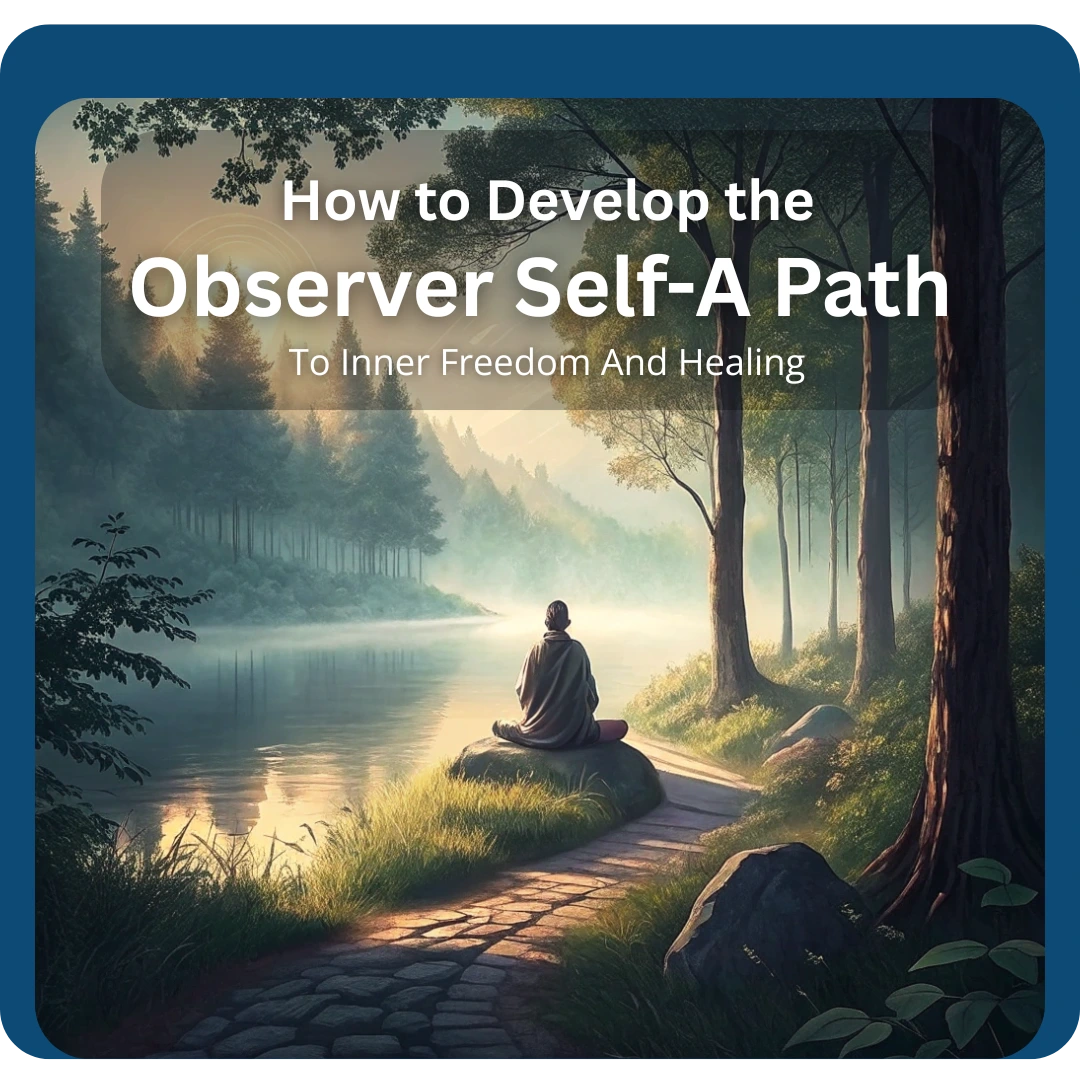
According to the book The Undefended Self, the observer self is our gateway to spiritual and emotional maturity. It helps us step out of identification with our flaws and allows us to witness our inner world with compassionate detachment.
“You learn that which observes is you and not that which is being observed.”
The Two Pillars: Truth and Love
To awaken the observer self, you must cultivate two core values:
1. Truth
Truth means radical honesty with yourself. It means seeing your negative traits, hidden motivations, and internal contradictions without shame or denial.
“Being truthful with the self means welcoming unconscious material into consciousness.”
This is not about being harsh — it’s about clarity.
2. Love
Love means holding your truth with compassion. The observer self is not a critic; it is a gentle, loving presence — much like a good parent. When you observe your flaws with love, they lose their power.
How to Strengthen the Observer Self
1. Meditation with Breath
Focusing on your breath — in and out — helps you become present. It quiets the ego mind and allows you to observe the body and thoughts without attachment.
Practice Tip: Count each breath or simply watch it as it is. This will ground you in the now.
2. Mindfulness Meditation
This involves watching your thoughts like clouds passing in the sky. Don’t engage or fight — just observe.
“Let it pass without judgment or attachment.”
Over time, this builds your ability to sit with uncomfortable thoughts without reacting.
3. Prayer as Inner Alignment
Prayer isn’t always about asking for things. True prayer is a surrender of the ego to a higher will. It is a form of active engagement with divinity.
“Not my will, but Thine, be done.”
Use prayer as a tool to connect your personal desires with a deeper, spiritual purpose.
Self-Identification: Stop Being Your Flaws
One of the most liberating aspects of developing the observer self is realizing:
You are not your flaws.
You are not your fears.
You are the one who observes them.
This shift allows you to face even your darkest traits with courage — because you’re no longer identified with them.
Why Most People Stay Stuck
People stay trapped in ego patterns due to:
- Fear of being “bad” or unlovable.
- Denial of uncomfortable truths.
- Rationalizing or spiritual bypassing.
But denial only feeds your fear and undermines your self-esteem. You must face and feel your emotions fully — this is the path to true healing.
A Loving Witness Within: Becoming Your Own Healer
As you grow in your observer self, you become a loving witness to your inner child, your past pain, and your evolving self. You don’t push away any part of you — you welcome it all with truth and love.
“We have been waiting all our lives to hear the words ‘I love you’ spoken by our own voice.”
Conclusion: The Path to Spiritual Maturity
Developing the observer self is not a quick fix. It’s a spiritual discipline — a daily return to awareness, presence, and love. With practice, you move from reacting to life to responding from a place of clarity and grace.
Along with mindfulness and meditation, healing modalities like Access Bars can further support this process by clearing mental clutter and creating space for deeper awareness.
You stop being the storm — and become the stillness that watches it.
Where to start
If any of this describes something you recognise, the first step is a conversation rather than a commitment. A free consultation exists to work out what would genuinely help — including saying plainly if this is not the right approach for you.