
Nobody sat her down and gave her the job. It just built up over the years. First she became the one who books the doctor’s appointments. Then the one parents call first, the one who reads everyone’s mood, and the one who calms the fights between siblings. She visits more, stays longer, calls more often, and feels guilty on the days she doesn’t.
Her brother lives in the same city. Somehow, he is still less burdened.
If this sounds familiar, you are not imagining it. This pattern shows up in Indian families across class, region and education, whether the daughter is a homemaker, a senior manager or a doctor. In Family Constellation Therapy, we often see that this kind of duty is rarely one person’s choice. It comes from the whole family system and gets passed quietly from one generation to the next. It is also closely linked to what many women describe as eldest daughter syndrome.
Why the Daughter Ends Up Carrying More
The role of the daughter, especially the eldest one or the one who lives closest, comes with a burden that sons usually don’t share. A big part of it is emotional labour, the invisible work of managing everyone’s feelings, keeping the peace and holding the family together.
The numbers back this up. An ILO brief from 2024 found that 53% of women in India stay outside the labour force because of care responsibilities, compared to just 1.1% of men. A woman can be a CEO and still be the one coordinating her father’s hospital visits. Earning well does not take the caregiving off her plate.
Where This Expectation Comes From
Her family did not invent this expectation overnight. It was handed down, and she absorbed it long before she could question it.
She watched her mother do it. Her mother looked after her grandparents, and her mother’s mother did the same before that. Nobody ever said “this is what women do,” but the lesson was learned anyway. Being a good daughter, a good bahu, a good woman, all of it looked like service.
The family quietly rewards it. The daughter who does the most becomes “the devoted one” or “the one who really cares.” That praise feels warm, and it makes the role harder to put down.
There is no other example to follow. Many women have never seen a daughter in their family or community set a limit on caregiving without paying a social price. When no alternative exists, the old script feels like the only one.
Guilt does the enforcing. Nobody has to tell her what to do anymore. The guilt is already inside, and it shows up the moment she thinks of saying no. If this feels familiar, you may want to read about caregiver guilt in daughters.
What a Family System Has to Do With It
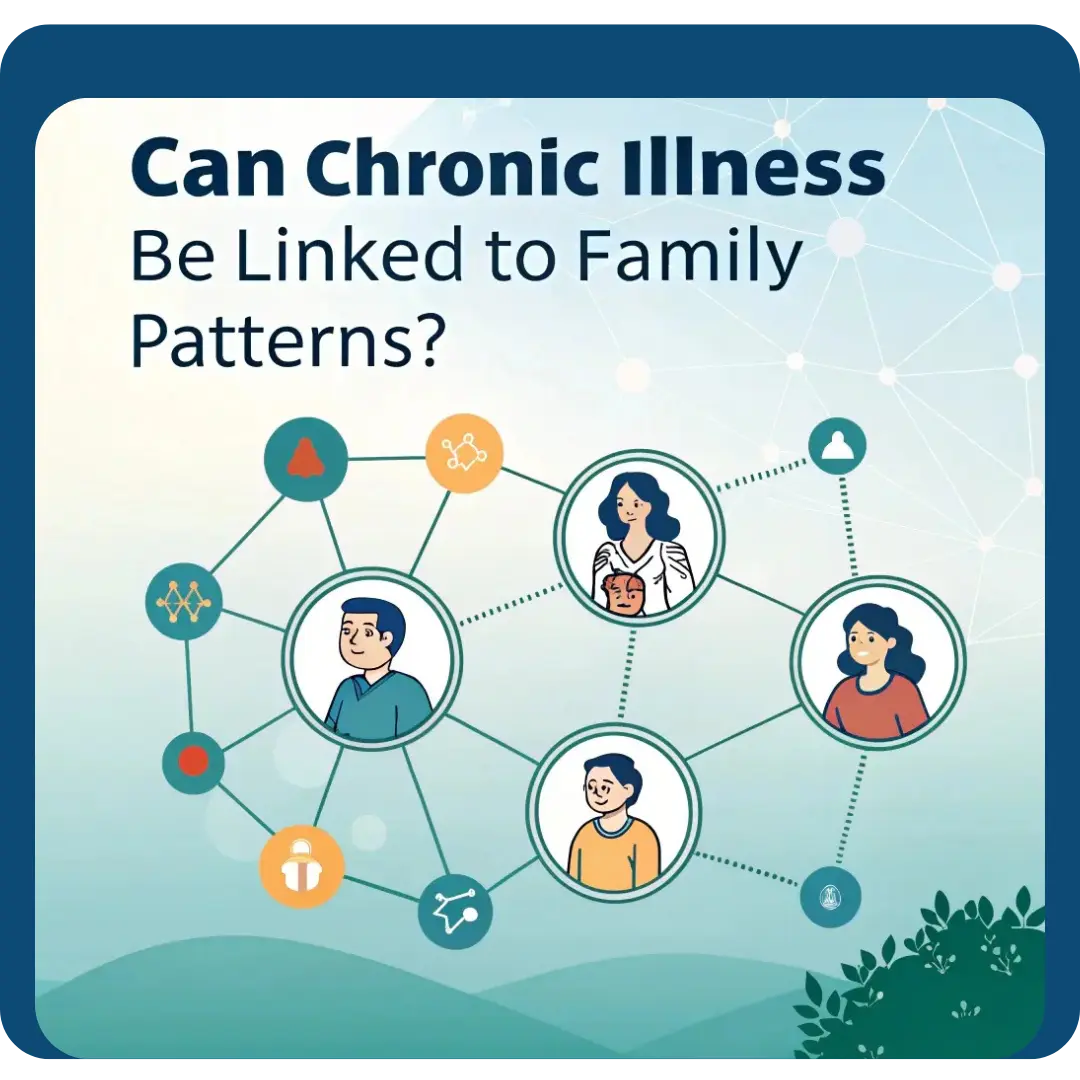
This is where Family Constellation Therapy offers a different lens. Instead of asking “why am I like this?”, it asks “what role was I given in this family, and by whom?” Often a daughter is carrying more than her own share, out of an unspoken loyalty to her mother or to a pattern older than her. Seeing that clearly can loosen its grip. Many people also explore this work through online Family Constellation sessions.
The Cost Nobody Talks About
The price of this role is real, but it rarely gets acknowledged inside the family.
Career. Where she lives, which job she takes, whether she travels or goes for a promotion, all of it gets shaped by duties her brother does not share equally.
Relationships. Her partner absorbs the exhaustion and resentment that spills over. Her children grow up with a mother who is always split between them and her own parents. Resentment between siblings often follows, which we explore in our post on sibling resentment over parent care.
Health. Years of caregiving stress are linked in research to poor sleep, a weaker immune response and constant tiredness.
Identity. Slowly, her sense of self shrinks around the caregiver role, until a simple question like “who am I outside of this?” becomes hard to answer.
You Can Honour Your Parents and Still Examine the Role
None of this is an argument for walking away from your parents, or for rejecting the love and closeness that make Indian family life so rich. The point is awareness. Seeing where the role came from, what it costs and how unevenly it is shared lets you choose it knowingly, rather than follow a script you picked up as a child.
Giving out of love feels different from giving out of compulsion. That difference matters for you, for your parents, and for the daughters who are watching you. You can look after your parents and still ask whether the load is fair. You can love them deeply and still notice that the expectation of sacrifice fell on you and not on your brother. Learning to set healthy boundaries with parents is a part of that.
Conclusion
The duty Indian daughters carry is not a personal failing and not a flaw in your love. It is a pattern that was built slowly, across generations, and it can be understood slowly too. Naming it does not make you ungrateful. It is often the first step toward choosing, maybe for the first time, what you want to carry and what you are ready to put down.
If you feel stuck between love and exhaustion, you do not have to sort it out alone. Family Constellation Therapy can help you see the role you were given and find a way to hold it with more freedom. You can learn more about Sonali Mittra’s approach on the Family Constellation Therapy page or reach out to book a session.
Frequently Asked Questions
1. Why are daughters expected to look after parents more than sons in India?
Mostly because of tradition passed down through generations. Daughters watch their mothers care for elders, and the family system keeps rewarding the daughter who does more. Sons are often seen as the earners, so caregiving gets quietly assigned to women, even when both have jobs.2. Is it selfish to set limits on caring for my parents?
No. Limits help you care for longer and with less resentment. Looking after your own health, time and family is not the same as abandoning your parents.3. Why do Indian daughters feel so much guilt about their parents?
Because guilt is part of how the role was taught. Many daughters learn early that a “good daughter” is always available. So even a reasonable no can feel like a failure.4. How can I talk to my siblings about sharing the responsibility?
Start with specifics, not blame. Say which tasks you are handling, such as doctor visits or medicines, and ask who can take which one. A clear, calm list works better than a list of complaints. If talks keep breaking down, a neutral third person can help.5. How does Family Constellation Therapy help with guilt towards parents?
It looks at the family as a connected system and shows the roles and loyalties each person has taken on. Many clients find that once they see where their sense of duty comes from, the guilt softens and their choices feel more their own. It supports reflection and emotional clarity. It does not replace medical or professional mental health care.6. Can I be a good daughter and still look after myself?
Yes. Being a good daughter does not require losing yourself. Caring for your parents and caring for your own life can both be true at the same time.Where to start
If any of this describes something you recognise, the first step is a conversation rather than a commitment. A free consultation exists to work out what would genuinely help — including saying plainly if this is not the right approach for you.